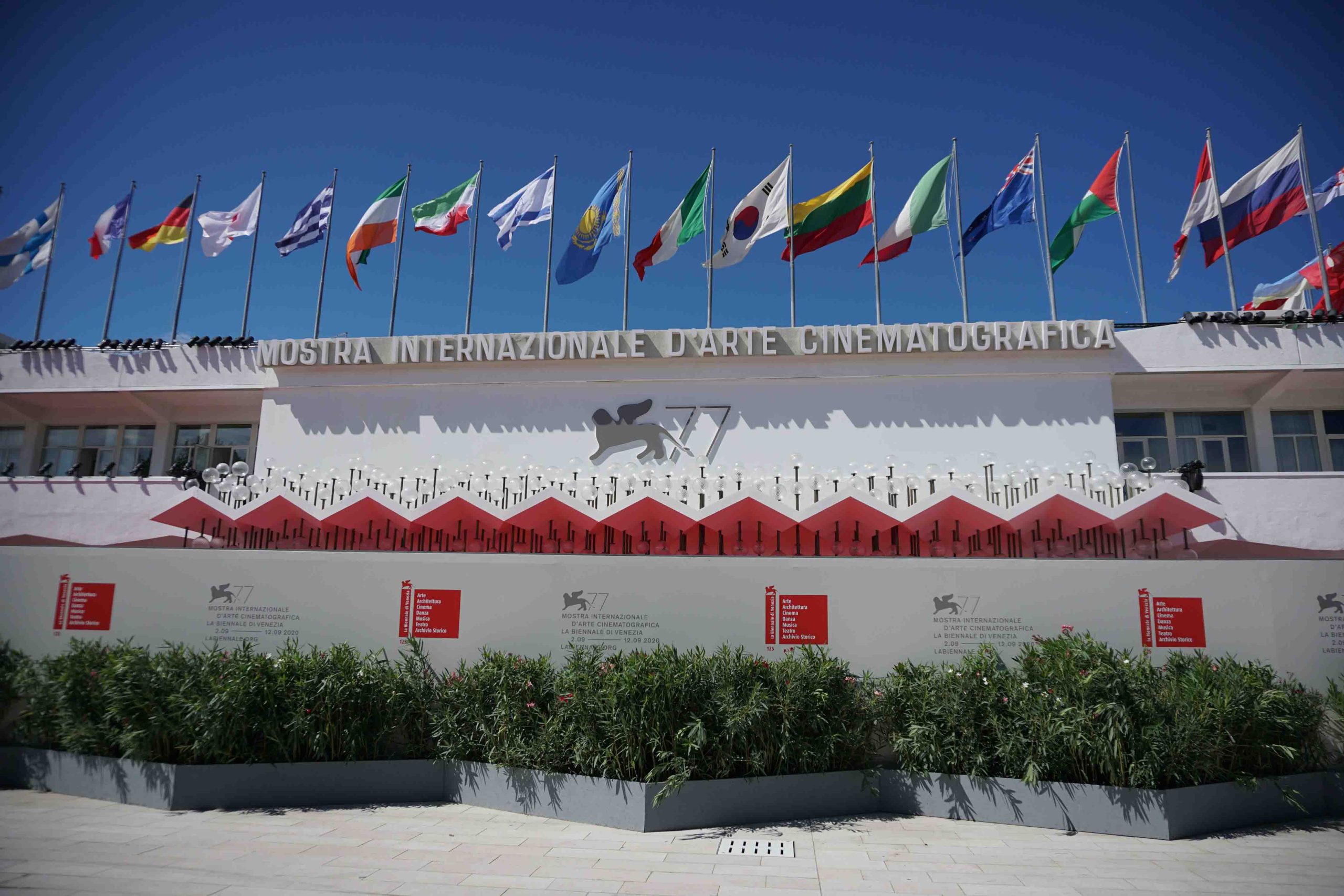
There are times of the year when Venice’s energy shifts in a relevant way. One of these—and it’s also one of my favorites—is the Venice Art Biennale, during which the city—if that’s even possible—becomes even more of a hub for ideas, languages, people, and visions from all over the world.
Venice Art Biennale 2026: Venice, a city of events and discoveries
14.05.2026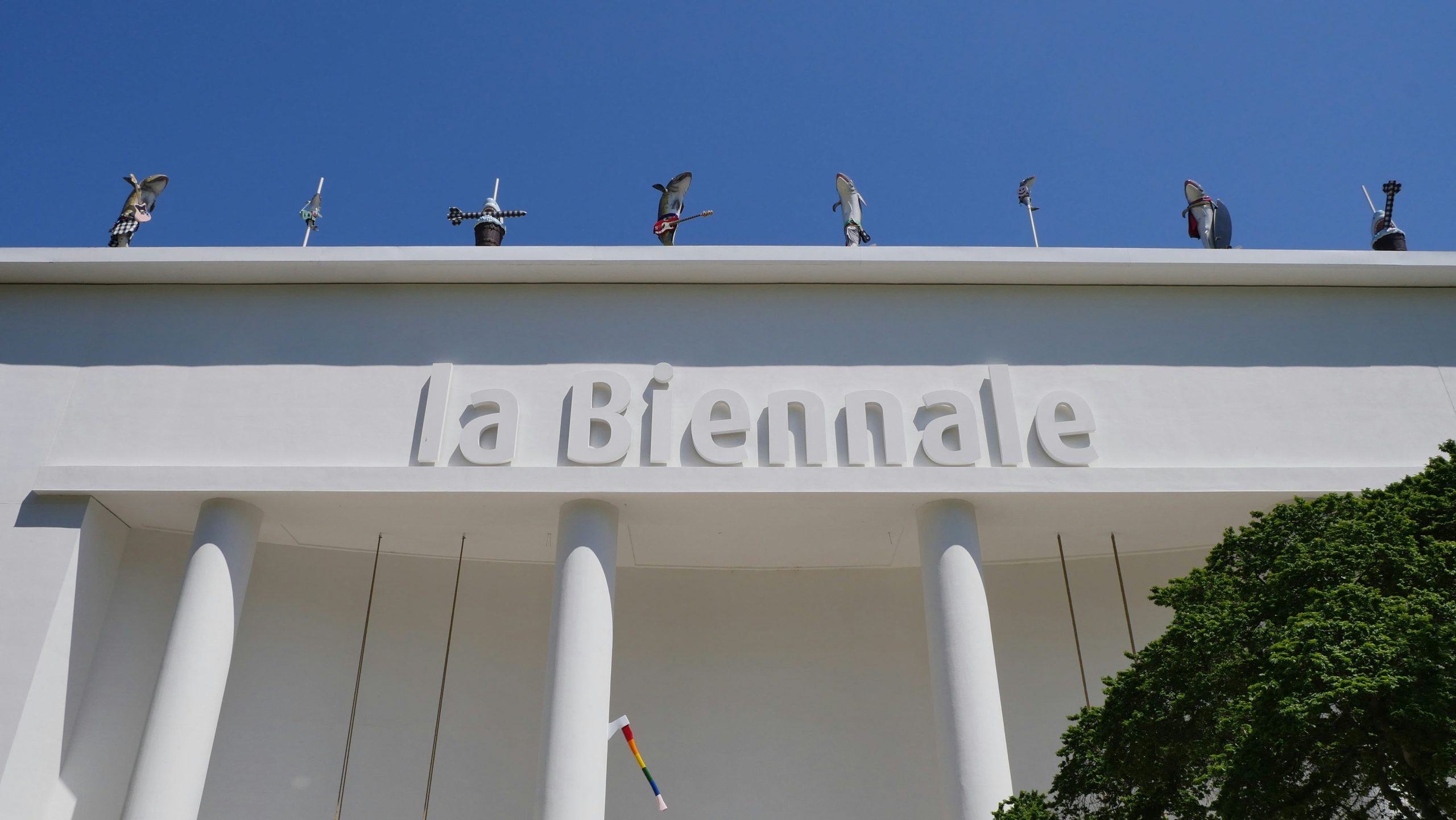 News
News
There are times of the year when Venice’s energy shifts in a relevant way. One of these—and it’s also one of my favorites—is the Venice Art Biennale, during which the city—if that’s even possible—becomes even more of a hub for ideas, languages, people, and visions from all over the world. And the feeling, as you walk through the narrow calli and along the canals, is that of being part of something that goes beyond a simple artistic event: Venice itself becomes part of the experience.
On May 9, the curtain rose on the 61st International Art Exhibition of the Venice Biennale, titled “In Minor Keys”, conceived by curator Koyo Kouoh. Following her untimely passing in 2025, La Biennale decided to carry forward the work she had conceived, preserving her perspective and vision. And this is precisely what one senses upon entering the exhibition: not a linear path, but a composition made up of subtle connections, emotions, intuitions, and moments of pause.
The works—featuring 111 participants, including artists, collectives, and organizations from around the world—invite visitors to experience art in a more instinctive and sensory way. Not merely something to observe, but something to traverse. The exhibition speaks of transformation, wonder, memory, spirituality, and connection. And Venice, in this regard, seems the perfect setting: a city that has always thrived on layers, silences, and interpretations.
During the Biennale, the city extends far beyond the Giardini and the Arsenale. Art appears everywhere: inside hidden palaces, former churches, foundations, courtyards, and repurposed industrial spaces. It is a Venice that constantly invites you to veer off course and be amazed.
You can move from the delicacy of Lee Ufan at the SMAC in St. Mark’s Square to the contemporary installations at the Olivetti Store, then cross through Castello and stumble upon exhibitions like Paper Tears by Claudia Pagès Rabal or the displays scattered throughout Dorsoduro and Cannaregio. Some places become true discoveries: former shipyards, warehouses along the canal, spaces normally closed that open up and transform during the Biennale.
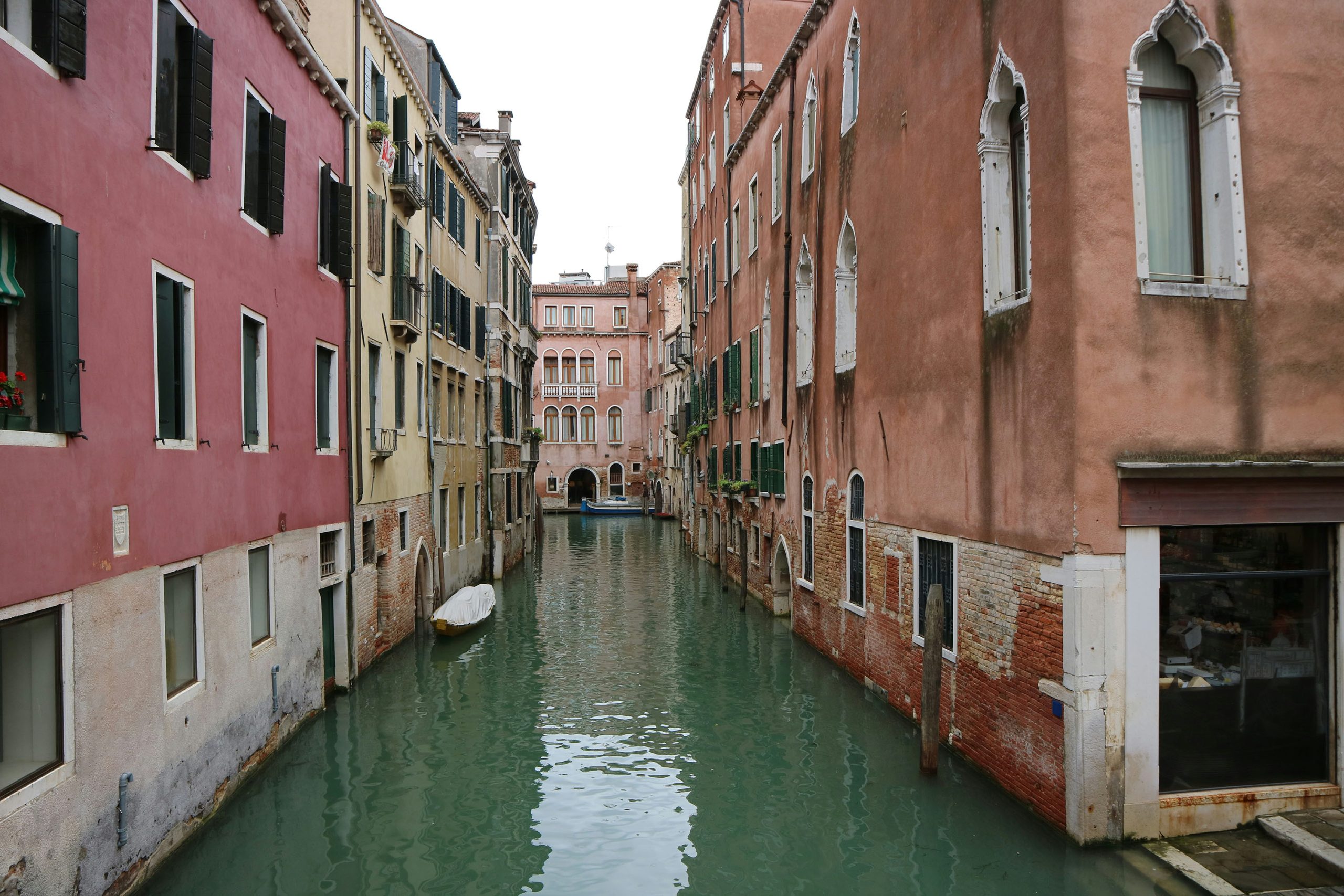
And this is perhaps the part I love most about the Biennale: the fact that it forces you to experience Venice in an even more different way than usual. To walk without rushing. To get lost. To enter a calle you wouldn’t normally have walked down. To stop in front of something you hadn’t planned to see.
I still remember my first Biennale. I thought I wanted to see everything, then I realized that the beauty lay in exactly the opposite: letting the city guide you. Walking into an exhibition almost by chance, stopping to chat after a show, sitting along a fondamenta at the end of the day with your head full of images and ideas. It’s a different way of experiencing Venice—more open, curious, and free.
And on such busy days, having a place to come back to makes all the difference. Suite735 is the perfect starting point for experiencing the Biennale without having to chase after it. A calm, cozy base from which to set out each morning for the Giardini, the Arsenale, or the exhibitions scattered throughout the city—and to return to in the evening to slow down and let everything you’ve seen sink in.
After all, this is the Biennale, or at least what it means to me: not just an artistic showcase of Venice, but a way of experiencing the city, of looking at it—and at oneself—with different eyes.
Events and exhibitions recommended by Suite735
THE ONLY TRUE PROTEST IS BEAUTY — Fondazione Van Noten, Palazzo Pisani Moretta An exhibition that focuses on the dialogue between craftsmanship, materials, and emotion. The works intertwine with the historic spaces of the palace, creating a journey through details, contrasts, and aesthetic exploration. One of the most elegant and sensory exhibitions of this Biennale.
Holy See — The Ear Is the Eye of the Soul
In the Complex of Santa Maria Ausiliatrice and the Mystical Garden of the Discalced Carmelites, the Holy See Pavilion invites visitors to slow down and listen. An intimate and contemplative experience, where sound, silence, and spirituality become part of the journey.
Ceal Floyer — Unfinished, Palazzo Diedo
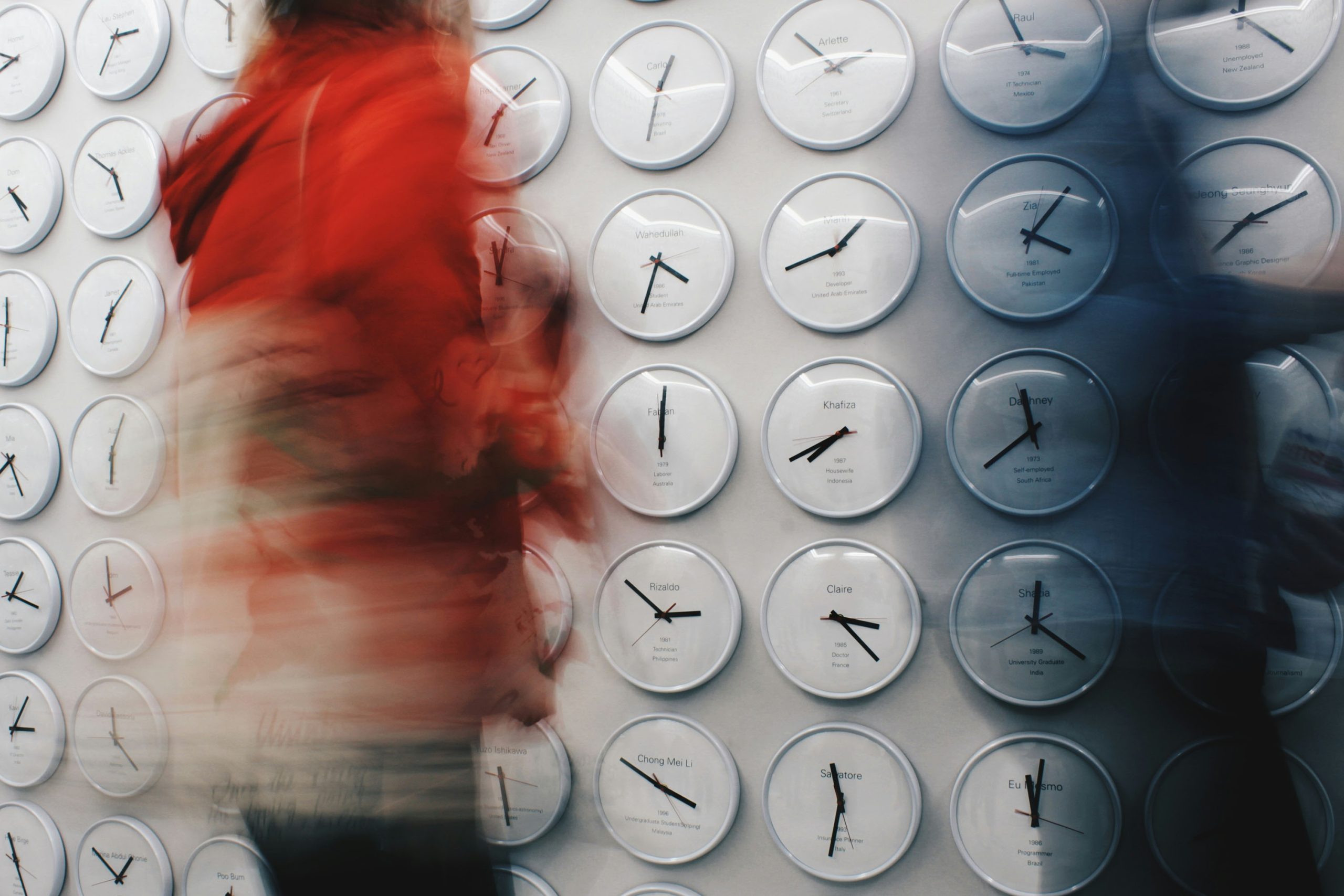
An intense and intelligent exhibition dedicated to British artist Ceal Floyer. Installations, sounds, and perceptual games transform the everyday into something unexpected, with that ironic lightness that makes her work so recognizable.
Between Palazzo Grassi and Punta della Dogana, the Pinault Collection presents some of the most interesting exhibitions of the 2026 Biennale. From the deeply personal and identity-driven paintings of Lorna Simpson and Michael Armitage to the more narrative and immersive works of Paulo Nazareth and Amar Kanwar, these spaces continue to serve as a reference point for those seeking to experience contemporary art in an intense and international way, within two of Venice’s most fascinating locations.
#735Diary
Share the article